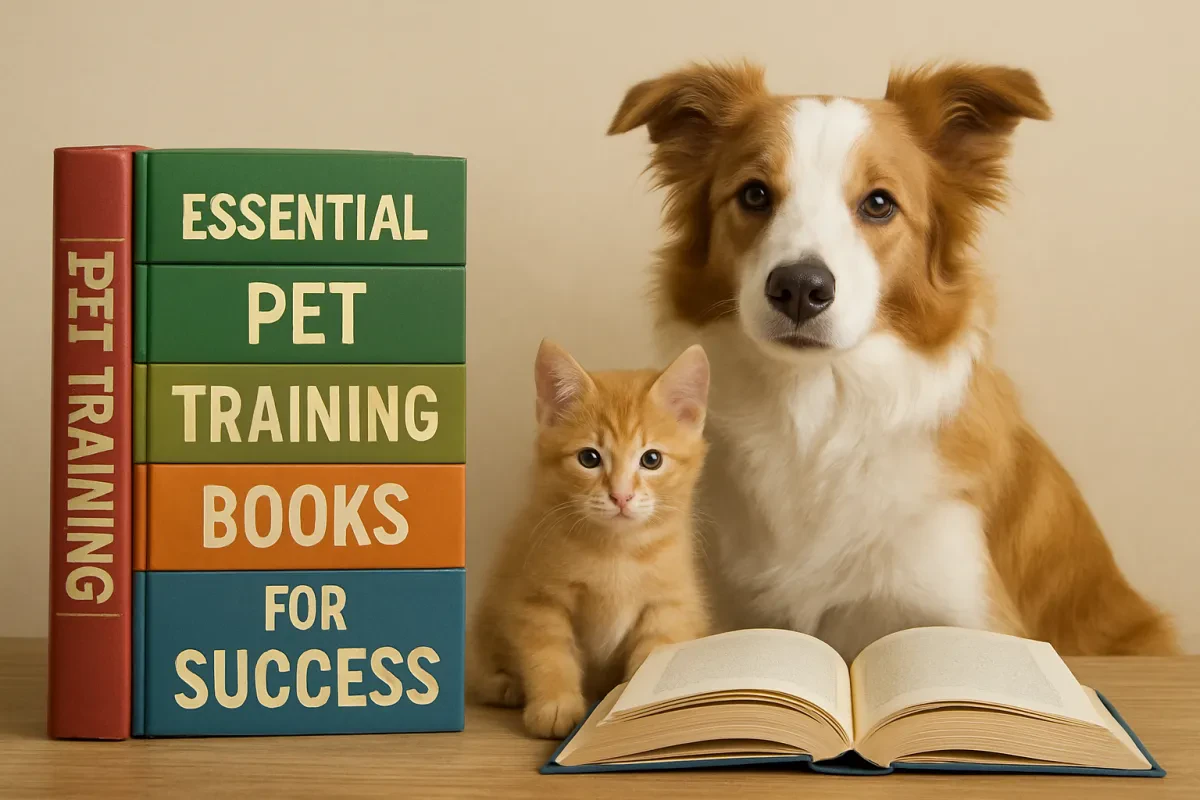
If you’re a pet owner looking to train your furry friend, picking up a good book can really boost your skills. Here are some must-read training books that every pet owner should consider.
1. The Power of Positive Dog Training by Pat Miller
This book is a favorite among dog owners. It focuses on positive reinforcement techniques that help your dog learn while building a strong bond. Pat shares easy-to-understand strategies, making it user-friendly, whether you’re a newbie or have some experience.
2. Don’t Shoot the Dog! by Karen Pryor
Don't let the title fool you! This book offers amazing insights into training with kindness. Karen explains how understanding animal behavior can change how you train. It’s packed with practical tips that’ll help you see training in a whole new light.
3. The Cat Whisperer by Mieshelle Nagelschneider
Cats can be tricky, right? Mieshelle dives into cat behavior and offers solutions to common issues. Whether you’re dealing with litter box problems or scratching, this book has easy fixes. Plus, it helps you understand your cat’s unique personality.
These books make pet training feel less like a chore and more like an enjoyable journey. Happy reading and happy training!
Best Tips for Effective Pet Training
When it comes to pet training, a few key tips can make a world of difference. First off, consistency is key. If you establish rules, stick to them. Your furry friend needs to know what’s expected, and changing things up can confuse them.
Positive reinforcement works wonders. Rewarding good behavior with treats, praise, or playtime keeps your pet motivated. If they know there’s a tasty biscuit waiting for them after a sit command, they’re more likely to repeat that behavior.
Keep training sessions short and fun. Pets, especially dogs, have short attention spans. Aim for 5-10 minutes and mix in some play to keep it exciting. This way, they'll associate training with fun, not a chore.
Be patient! Remember, training takes time. Every pet learns at their own pace, so don’t rush things. If your pet isn’t getting it right away, take a step back, try a different approach, or give them a little break.
Lastly, practice makes perfect. Incorporate training into daily routines. Whether it’s practicing sit before meals or stay during walks, these little moments build solid habits over time.
Understanding Your Pet's Behavior and Needs
Getting to know your pet's behavior is super important when it comes to training. Every pet has a unique personality, and understanding that helps you connect better. For instance, some dogs might be shy and need extra encouragement, while others are full of energy and need a different type of approach.
Pay attention to your pet's body language. A wagging tail can mean excitement, but it can also mean anxiety if the wag is too fast or stiff. Cats, too, have their own little quirks. A slow blink can mean they trust you, while an arched back might signal they're feeling threatened. Learning these signs can help you tailor your training methods to suit your pet's individual needs.
Also, consider what motivates your pet. Some pets respond well to treats, while others might be more excited about toys or playtime. Finding what makes your pet tick can turn training sessions into a positive and enjoyable experience for both of you. Remember, the goal is to build trust and make learning fun!
Books on pet training often dive into these topics and more. They can provide insights about common behaviors, things to watch for, and how to handle different situations. Investing some time in reading up on your pet's behavior can make a huge difference in your training success.
Building a Strong Bond with Your Pet
Start by spending quality time together. Playtime is huge! Find out what your pet loves most—whether it's tug-of-war, fetch, or snuggling on the couch. These activities strengthen your relationship and build trust. Plus, it makes training sessions feel less like work and more like play.
Consistency is key. Use the same commands and gestures during training. This helps your pet understand what you want. And don’t forget to reward good behavior! Treats, praise, and petting go a long way. Celebrate those small victories together; it’ll boost their confidence and reinforce that bond.
Lastly, keep an eye on your pet's body language. They’ll let you know how they’re feeling. If they seem anxious or overwhelmed, take a step back. Training should be a positive experience. Just remember, a happy pet is a responsive pet!
