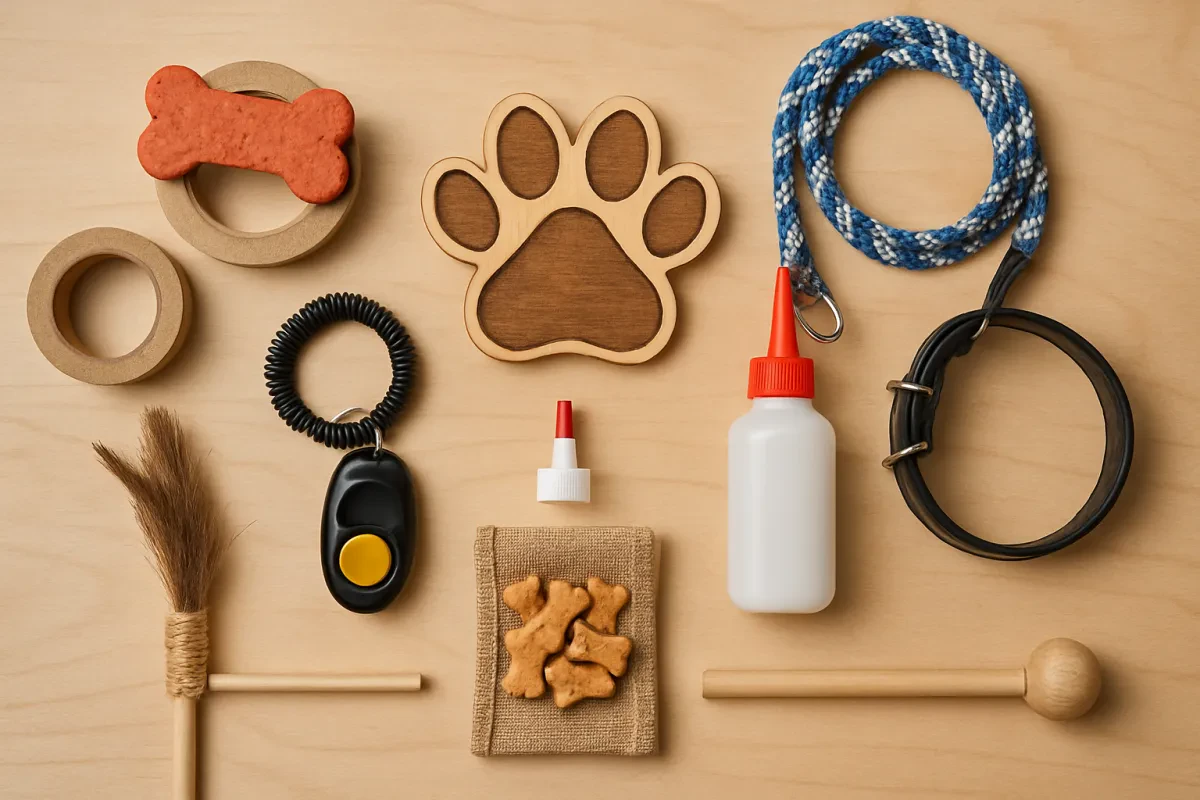
If you're looking to train your pet effectively without breaking the bank, DIY tools can be a game-changer. You don’t need fancy gadgets or pricey equipment to get the job done. With a little creativity and some household items, you can whip up training tools that are just as effective.
One of the easiest tools you can make is a treat-dispensing toy. Grab an empty plastic bottle, clean it out, and cut a few holes big enough for treats to fall through. Fill it with your pet's favorite snacks and let them figure out how to get the goodies out. This keeps them mentally stimulated and reinforces positive behavior as they work for their rewards.
Another great DIY item is a leash that can double as a training tool. If you have an old belt, simply attach a sturdy clip to one end. You can use this makeshift leash to teach commands like "heel" or "stay." It’s durable and gives your pet some room to move while still keeping them under control.
If your dog struggles with jumping or barking, try making a simple barrier using cardboard boxes. Stack them up to create a gentle hurdle for your dog to jump over or to block off areas where you don’t want them to go. It’s a cheap and easy way to manage their behavior and help them learn boundaries.
Fun Ways to Use Household Items
Your home is filled with everyday items that can help train your pet in fun and creative ways. Let’s dive into some cool ideas that make training easier and more enjoyable.
Have some old socks lying around? How about turning them into a tug toy! Just grab a pair, tie them in a knot, and your pup has a new favorite plaything. Not only does it give them something to chew on, but it also helps strengthen your bond during playtime.
If you have a plastic bottle, you can create an engaging treat dispenser. Just cut a few holes in the sides, fill it with your pet’s favorite snacks, and watch them figure out how to get the goodies out. It’s like a little puzzle that keeps your furry friend mentally stimulated while they snack!
Lastly, don’t overlook that cardboard box in the corner. You can turn it into a mini obstacle course. Cut holes, add some tunnels, or pile it up for your pet to climb over. This encourages exercise and gives them a fun way to channel their energy. Plus, it’s super easy to set up!
Gather Materials You Already Have
Before you rush out to buy supplies, take a look around your home. You probably have some items that can be turned into effective training tools. This approach not only saves you money but also gives you a chance to get creative!
For starters, check your kitchen. Measuring cups can double as treat dispensers. You can also use plastic containers to create a clicker sound by attaching a lid to a small box. Got an old broom? The handle can be the perfect base for a homemade agility jump!
Look in your closet too. Old belts can be great for leash training if you cut them to length. Use an old towel or blanket to create comfort zones for your pet. Fold it up or roll it into a cozy mat where they can settle down after practice. Your furry friend will love having a special spot!
Don’t forget about toys. If your pet has some forgotten toys lying around, repurpose them! You can add some new squeakers or fill them with treats. This can give new life to old favorites and keep your pet engaged in training.
Gathering materials you already own can kickstart your pet training journey in a fun way. It reduces waste, saves cash, and might just lead to some fantastic homemade tools that work wonders for your pet's behavior!
Tips for Effective Training Sessions
Training your pet can become so much easier with a few simple tips. First off, keep your sessions short and sweet. Most pets can only focus for about 5 to 10 minutes. If your dog or cat starts to look distracted, it’s time to wrap it up. You want them excited for the next session, not burned out!
Make sure you’re in a quiet place with minimal distractions. If you live in a busy area, try training in a room with the door closed or outside in the backyard. This helps your pet stay focused on you, not on the neighbor’s cat or the sounds of the street.
Consistency is huge! Use the same commands and signals every time. This way, your pet learns faster and understands what you want. If you say "sit," always say "sit" and not "sit down" or "take a seat." Keeping it simple helps everyone!
Always reward good behavior. Use treats or affection to show your pet when they've done something right. This reinforces the behavior you want to see again. Just remember, the rewards need to be something your pet loves. Whether it's a tasty snack or a fun playtime, make it worthwhile!
Lastly, stay positive and have fun. Training should be a bonding experience, not a chore. If you keep the atmosphere light and enjoyable, your pet will look forward to training sessions and you'll both grow closer in the process. Happy training!